
Life Insurance in 2025: In an era of economic uncertainty, rising living costs, and rapid technological shifts, life insurance remains a cornerstone of financial planning. As we navigate 2025, the industry is booming, with U.S. premiums projected to hit a record $15.9 billion in 2024 and continue climbing into the new year. Globally, the sector grew by 8.6% last year, driven by demand for protection amid inflation and geopolitical tensions. But what does this mean for you? Whether you’re a young professional safeguarding your family’s future or a retiree seeking legacy planning, understanding life insurance in 2025 is essential.
This comprehensive guide explores the latest trends in life insurance 2025, from AI-powered personalization to regulatory tweaks enhancing consumer trust. We’ll break down top providers, emerging tech, and practical tips for selecting the best policy. By the end, you’ll be equipped to make informed decisions that align with your goals. Let’s dive into how life insurance is evolving to meet modern needs.
The Evolving Landscape of Life Insurance in 2025
The life insurance market in 2025 is a tale of resilience and reinvention. After years of steady growth, the U.S. individual life insurance sector saw an 8% rise in new annualized premiums through mid-2025, outpacing pre-pandemic levels. This surge reflects heightened awareness of financial vulnerabilities—think lingering effects of inflation, climate risks, and healthcare costs. Globally, premiums have averaged 8% annual growth over the past five years, though forecasts suggest a slight slowdown due to policy uncertainties in key markets like the U.S.
Key trends shaping life insurance 2025 include a shift toward accumulation-driven products. Insurers are prioritizing policies that build wealth alongside protection, such as indexed universal life (IUL) plans tied to market performance. Personalization is another buzzword: Tailored coverage using data analytics ensures policies fit unique lifestyles, from gig workers to eco-conscious millennials.
Demographics play a big role too. Under-40s represent untapped potential, with insurers targeting this group through digital-first experiences and flexible terms. In Europe, markets like Germany expect modest 0.19% growth through 2029, focusing on sustainable investments. Meanwhile, emerging economies in Asia and Latin America fuel global expansion, with declining inflation and stable rates boosting affordability.
Challenges persist, however. Climate change is pushing “resilience” agendas, where policies incorporate environmental risk assessments. And with interest rates stabilizing, fixed annuities are regaining appeal for retirement security. Overall, the outlook is positive: Expect 3-5% premium growth worldwide, emphasizing protection over pure investment.
This evolution underscores life insurance’s role beyond death benefits—it’s now a holistic tool for wealth preservation in an unpredictable world.
Top Life Insurance Companies to Watch in 2025
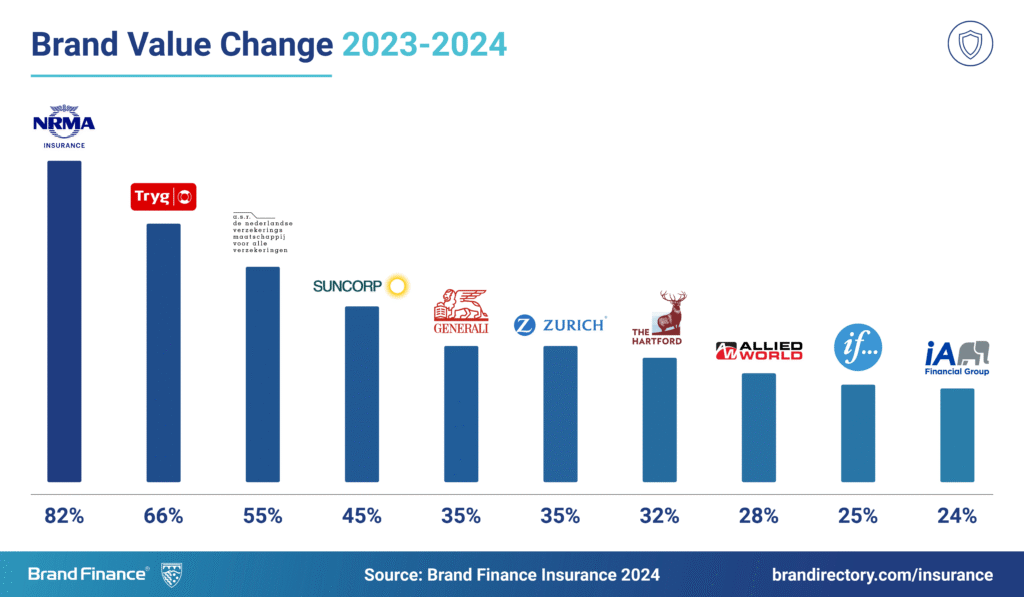
Choosing a provider is crucial, as financial strength, customer satisfaction, and innovation vary widely. In 2025, rankings highlight companies excelling in affordability, claims processing, and digital tools. Based on evaluations from U.S. News, Forbes, and Bankrate, here are standout options for life insurance 2025.
- Northwestern Mutual: Tops lists for whole life policies, boasting A++ financial ratings and dividend-paying mutual structure. Ideal for long-term family protection, with customizable riders for chronic illness. Their app streamlines policy management, earning high J.D. Power scores.
- MassMutual: Best for whole life in 2025, per CNBC, with competitive premiums and strong living benefits. As a mutual company, it returns profits to policyholders via dividends—over $1.8 billion in 2024. Suited for high-net-worth individuals seeking tax-advantaged growth.
- Protective Life: Excels in term life affordability and no-exam options, ranking high on U.S. News for conversion flexibility. Their chronic illness rider allows early access to benefits, perfect for proactive planners.
- Lincoln Financial Group: Bankrate’s pick for no-medical-exam coverage, offering quick approvals via accelerated underwriting. Strong in group policies for businesses too.
- Guardian Life: A WSJ favorite for balanced term and permanent options, with A++ stability and ethical investing focus.
Forbes’ global list spotlights niche players like Fidelity Life for simplified issue policies and WoodmenLife for fraternal benefits with community perks. Reddit communities praise Banner Life for cheap term and North American for living benefits in million-dollar policies.
When comparing, prioritize AM Best ratings (A or higher) and customer reviews. In 2025, digital-savvy firms like these dominate, blending tradition with tech for seamless experiences.
Technological Advancements Revolutionizing Life Insurance in 2025
Tech isn’t just a buzzword—it’s transforming life insurance from reactive to predictive. By 2025, AI adoption has surged, with McKinsey calling it a “gamechanger” for underwriting and claims. Here’s how innovations are reshaping the industry.
Generative AI (GenAI) leads the charge, powering chatbots for instant quotes and personalized advice. Capgemini notes it revamps customer journeys, boosting engagement by 20-30%. Imagine uploading wearables data for dynamic premiums—already reality with devices tracking health metrics like steps and sleep.
Embedded insurance is another hit: Buy life coverage bundled with mortgages or apps, projected to handle 30% of transactions by 2028. This “seamless” model builds trust through frictionless integration.
Blockchain enhances security, streamlining claims with smart contracts that auto-payout upon verified events. Big data analytics refines risk models, incorporating climate and lifestyle factors for fairer pricing.
In distribution, AI-driven platforms evolve, per Datos Insights, with chatbots handling 70% of inquiries. For claims, predictive tools cut processing time by 50%, using forward-looking health insights.
These advancements democratize access, especially for underserved groups. However, ethical AI use—avoiding bias—is key, as regulators scrutinize data privacy. In 2025, tech isn’t optional; it’s the edge for insurers and peace of mind for you.
Key Regulatory Changes Impacting Life Insurance in 2025
Regulations in 2025 prioritize transparency and resilience, responding to tech’s rise and global risks. The NAIC’s priorities include bolstering catastrophe coverage and state-level health insurance oversight, aiming to eliminate federal overreach like the Federal Insurance Office.
Stricter data governance rules mandate robust cybersecurity, with EY forecasting detailed reporting on AI usage. For policyholders, this means clearer disclosures on riders and fees, enhancing rights under new transparency mandates.
Climate regulations are tightening: Insurers must integrate environmental risks into solvency models, per Deloitte’s outlook. Anti-money laundering (AML) updates require agents to verify high-value policies more rigorously.
Reinsurance guidelines address offshore deals, ensuring U.S. firms maintain capital buffers. These changes, while complex, protect consumers—expect fewer disputes and fairer practices. Stay informed via NAIC updates to navigate them smoothly.
How to Choose the Best Life Insurance Policy in 2025
Selecting a policy boils down to needs, budget, and lifestyle. Start with your goals: Term for temporary coverage (10-30 years, cheapest at $20-50/month for $500K), or permanent for lifelong protection with cash value growth.
Assess coverage: Factor in debts, income (10x rule), and dependents. Use online calculators for estimates.
Compare quotes from 3-5 providers—leverage no-exam options for speed. Check riders like accelerated death benefits for critical illness.
Budget wisely: Premiums average $300-500/year for term, but shop during open enrollment for discounts. Review financial strength via AM Best.
Consult an advisor for hybrids like IULs, blending insurance with investments. In 2025, prioritize digital tools for easy adjustments. Re-evaluate annually—life changes fast.
Conclusion: Secure Your Future Today
Life insurance in 2025 blends growth, tech, and safeguards for smarter protection. With rising premiums and innovative policies, now’s the time to act. Consult a trusted advisor and lock in coverage that evolves with you. Your family’s security starts here.